
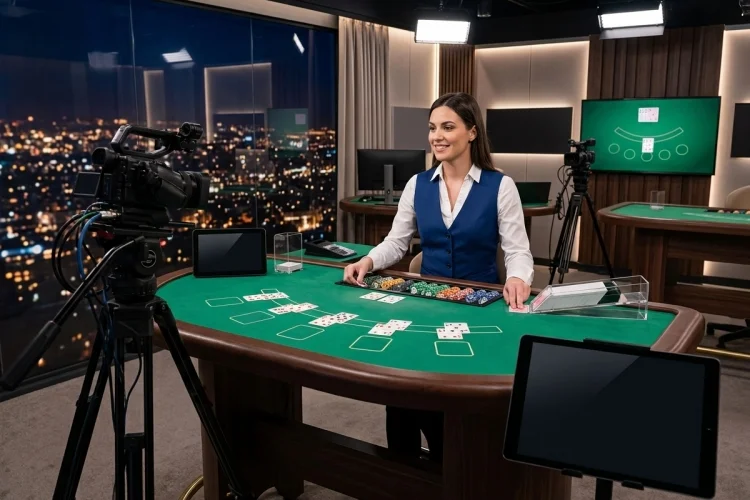
How to Choose a High-Quality Live Casino Table
Live casino tables combine online convenience with games presented by real dealers. Cards are dealt, roulette wheels are spun, and results are broadcast from a studio or casino floor directly to a computer or mobile device.
However, the quality of these tables can differ significantly. A sharp video feed may create a strong first impression, but presentation is only one part of the experience.
Players must also examine the table rules, betting limits, dealer performance, interface clarity, game provider, studio controls, and availability of responsible gambling features.
Understanding how to choose a high-quality live casino table can help you avoid confusing rules, unstable streams, unsuitable stakes, and poorly managed games.
It can also make it easier to distinguish genuine quality from attractive graphics and branded backgrounds.
No table can guarantee a profit. The purpose of evaluating live dealer games is to find a transparent, technically reliable, and properly supervised environment that fits your budget and preferred playing style.
Verify the Operator and Game Provider
Begin by confirming that the casino is licensed to serve players in your jurisdiction. Do not rely only on a regulator logo in the website footer. Search the regulator’s official register and compare the legal operator, licence status, and approved domain.
The game supplier should also be clearly identified. Established providers normally publish information about their studios, products, and regulated-market licences.
Evolution, for example, describes live games as real-time broadcasts from purpose-built studios using multiple cameras, audio systems, and an interactive on-screen interface.
A recognizable provider does not replace the need to verify the casino itself. The operator controls customer accounts, payments, bonuses, and complaints.
Read the Rules Before Joining
Two tables with the same game name may use different conditions. Blackjack tables can vary by deck count, dealer rules, available actions, and blackjack payouts. Roulette variants may use different wheel formats, optional multipliers, or special side bets.
Open the information or “how to play” section before placing a wager. It should explain winning outcomes, restrictions, potential payouts, side-bet conditions, and the likelihood of winning.
UK remote-gambling standards require applicable rules to be easily available before a customer commits to a bet. They also require information about house edge, return to player, or winning probabilities where relevant.
Avoid tables where important rules are difficult to locate or written in unclear language.
Examine the Betting Limits
A quality table should display its minimum and maximum stakes before you enter. The available range must fit the entertainment budget you have already established.
A $1 minimum may suit a casual player, while a $100 minimum can create excessive exposure in only a few rounds. Higher maximums do not indicate better quality; they simply serve a different customer group.
Check the limits for individual wagers as well as the total amount allowed in one round. Roulette tables, for example, may apply separate maximums to inside and outside bets.
The interface should show the value of every chip, total stake, and currency conversion clearly. UK technical rules require remote systems to display the financial commitment and content of a wager before it is confirmed.
Assess the Dealer and Studio Standards
A professional dealer should follow the rules consistently, announce results clearly, and maintain an appropriate pace. The dealer should not pressure players to increase their stakes or continue gambling.
Behind the visible presentation, the studio should have documented procedures and supervisory controls. UK Gambling Commission standards state that live dealer operations should be fair and independently auditable.
They also call for commercial-quality equipment, trained croupiers, supervision, video surveillance, access controls, and game logs.
Watch a few rounds before betting. Check whether the dealer handles cards and equipment consistently, responds professionally to technical issues, and communicates important actions clearly.
Personality can improve the experience, but correct dealing procedures are more important than entertainment style.
Test Video, Audio, and Connection Stability
A live table depends on streaming technology. Look for a clear picture, readable cards, visible wheel results, synchronized audio, and camera angles that show the important parts of the game.
Minor delays can occur because the stream travels between the studio, casino platform, and player’s device. However, repeated freezing, missing audio, or late betting confirmations can make a table difficult to use.
Playtech describes its live casino facilities as purpose-built studio spaces supported by streaming technology and trained presenters. Such provider claims should be compared with the performance you experience on your own device and connection.
Test the table in viewing mode where possible. A stable desktop experience does not always mean the mobile version will perform equally well.
Review the Interface and Game Pace
A good interface makes the remaining betting time, accepted wagers, current balance, result, and payout easy to understand. Buttons should respond clearly, and chip values should not cover essential information.
The table pace should also match your experience level. Fast tables provide less time for decisions, while standard-speed options may be more comfortable for beginners.
Look for useful features such as previous results, game statistics, favorite bets, and clear confirmation messages. Remember that historical results do not predict the next independent outcome.
Avoid tables where animations, chat messages, or promotional panels distract from the amount being wagered.
Look for Responsible Gambling Features
Live games can create an immersive environment that makes time pass quickly. A quality casino should provide tools that help users monitor both spending and session length.
Useful features include deposit limits, reality checks, time-outs, session reminders, and self-exclusion. UK remote-gambling rules require accessible reality checks that show the elapsed session time and must be acknowledged by the player.
Set limits before joining the table rather than after losses occur. A smooth stream and engaging dealer should never become reasons to exceed the budget.
Choosing a high-quality live casino table requires more than selecting the most visually impressive studio. Verify the licensed operator and provider, read the complete rules, compare betting limits, and observe the dealer before wagering.
The best tables provide stable video, clear audio, transparent payouts, readable controls, professional dealing, and appropriate supervisory standards.
They also display every wager clearly and offer tools that help players manage time and spending. Start by watching several rounds without betting.
Confirm that the table suits your device, connection, budget, and understanding of the game. Select only licensed platforms, avoid unclear side bets, and treat live casino play as entertainment rather than a source of guaranteed income.